
There's a big difference between a checklist and a report built around your life.
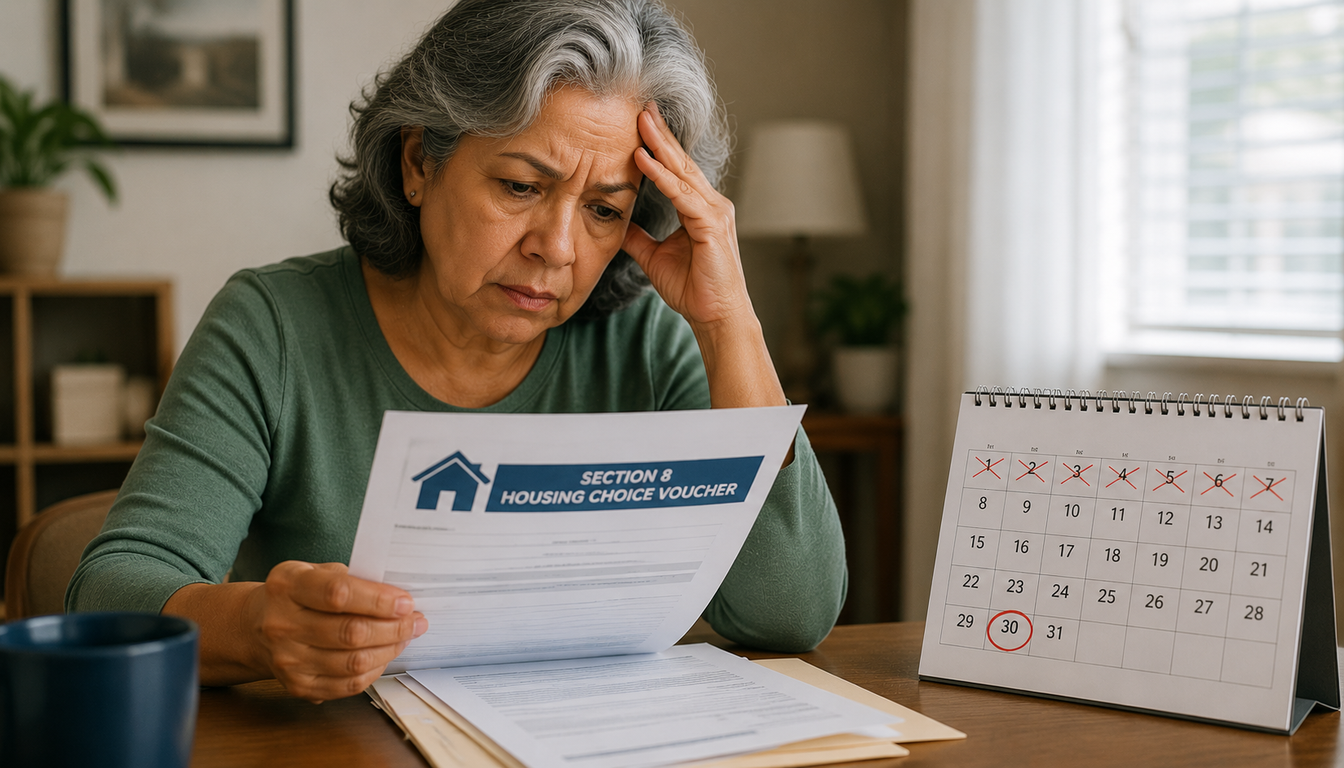
A generic eligibility checklist tells everyone the same thing: here are the rules, here are the income limits, here are the documents you need. It treats a single mom in rural Texas the same as a retired veteran in downtown Chicago. It doesn't know your income, your family size, your city, or your history. It just gives you a list and leaves you to figure out the rest.
A personalized housing report works differently. It starts with you — your specific situation — and then tells you what programs you actually qualify for, what's available in your area, and what your next step should be. That's not a small difference. That's the difference between useful information and information you can act on.
What a Generic Checklist Gets Wrong
Generic eligibility checklists are easy to find. The U.S. Department of Housing and Urban Development (HUD) publishes program guidelines. State housing agencies post their requirements online. These are helpful resources, but they're written for a broad audience — not for you specifically.
Here's the problem with that approach:
They don't account for local differences. Housing assistance programs are managed locally. Your Public Housing Authority (PHA) sets its own rules, maintains its own waitlists, and may have programs your neighbor's PHA doesn't offer. A national checklist can't tell you which programs in your county are currently open, closed, or have a six-year wait.
They don't do the math for you. Income limits for programs like Section 8 are based on the Area Median Income (AMI) for your specific location, which HUD updates every year. A checklist might tell you that you need to earn less than 50% of AMI — but it won't tell you what 50% of AMI actually is where you live, or whether your household income falls above or below that line.
They don't prioritize. If a checklist covers ten programs and you might qualify for three of them, it still presents all ten the same way. You're left sorting through options you don't need, wasting time you don't have.
What a Personalized Report Does Instead
A personalized housing report takes your actual information — income, household size, zip code, and a few other basics — and runs it against current program data. The result is a report that tells you specifically:
- Which programs you are likely eligible for
- What the income limits are in your area and how your household compares
- Whether local waitlists are open or closed
- What documents you'll need to apply
- What your next concrete step should be
This isn't a guess. It's a match. The programs on your list are there because your profile fits the requirements — not because they exist somewhere in the country.
For example, the Housing Choice Voucher Program — commonly called Section 8 — has different availability depending on where you live. Some PHAs have open waitlists. Many do not. A personalized report tells you which situation applies to your area, so you're not wasting an application on a closed list.
The Real Cost of Using the Wrong Tool
When someone uses a generic checklist and follows the wrong path, real time gets lost. They may gather documents for a program they don't qualify for. They may apply to a PHA whose waitlist has been closed for years. They may assume they don't qualify for anything — and give up entirely — when in fact several programs would have been a match.
According to HUD's 2023 Picture of Subsidized Households, millions of low-income households currently receive federal housing assistance. But the number of households that qualify and don't receive help is far larger. Part of that gap comes from people not knowing how to navigate the system correctly.
A personalized report closes that gap. It doesn't replace the application process — but it makes sure you're applying to the right programs with the right information the first time.
Get Your Personalized Report at Section 8 AI — Right Now
This is exactly what Section 8 AI was built for.
Instead of handing you a generic list, Section 8 AI asks you a few simple questions about your household and location. Then it generates a personalized report — one that reflects your actual income, your family size, and the programs available where you live.
It takes just a few minutes. And it gives you a clear picture of what you qualify for.
No guessing. No reading through pages of government guidelines. No applying for programs that were never going to work for your situation. Just a straightforward report that puts your options in front of you.
Go to Section 8 AI and get your personalized housing report today.
Personalized Reports Work Better at Every Stage
It's not just about finding out what you qualify for the first time. Personalized reports stay useful as your situation changes.
If your income goes up or down, that affects your eligibility. If your household size changes — a new baby, a family member moving in or out — that changes things too. If you move to a new city, you're starting fresh with a different set of local programs and waitlists.
Generic checklists don't adjust for any of that. A personalized report reflects where you are right now, which means it's always relevant to your actual situation.
The National Low Income Housing Coalition tracks housing data across the country and consistently shows that housing assistance is not one-size-fits-all. Availability, funding, and eligibility thresholds vary significantly from state to state and even county to county. A report that accounts for that is simply more useful than one that doesn't.
What to Do After You Get Your Report
Once you have your personalized report in hand, here's how to move forward:
Step 1: Review your matched programs. Look at each program on your list and read the brief description. Understand what it offers and what the income limits are.
Step 2: Check waitlist status. Contact your local PHA directly to confirm whether the waitlist is open. Some open and close without much notice.
Step 3: Gather your documents. Common requirements include proof of income, Social Security cards, birth certificates, and a photo ID. Having these ready before you apply saves time.
Step 4: Apply and follow up. Submit your application and keep a copy for your records. Follow up with the housing authority regularly to check your place on the waitlist.
Step 5: Explore additional resources. Visit our partner site Section 8 Search for more tools to help you find and compare affordable housing options in your area.
The Bottom Line
Generic checklists have their place, but they were never designed to help any one person figure out what to do next. They're reference documents — broad, general, and built for no one in particular.
A personalized housing report is built around your household, your income, your location, and your needs. It tells you what you actually qualify for and gives you a clear path forward. That's what makes it more useful — not as a concept, but in practice, for real people making real decisions.
If you're ready to stop reading general information and start getting answers that apply to your life, go to Section 8 AI and get your personalized housing report. It's the smartest first step you can take.