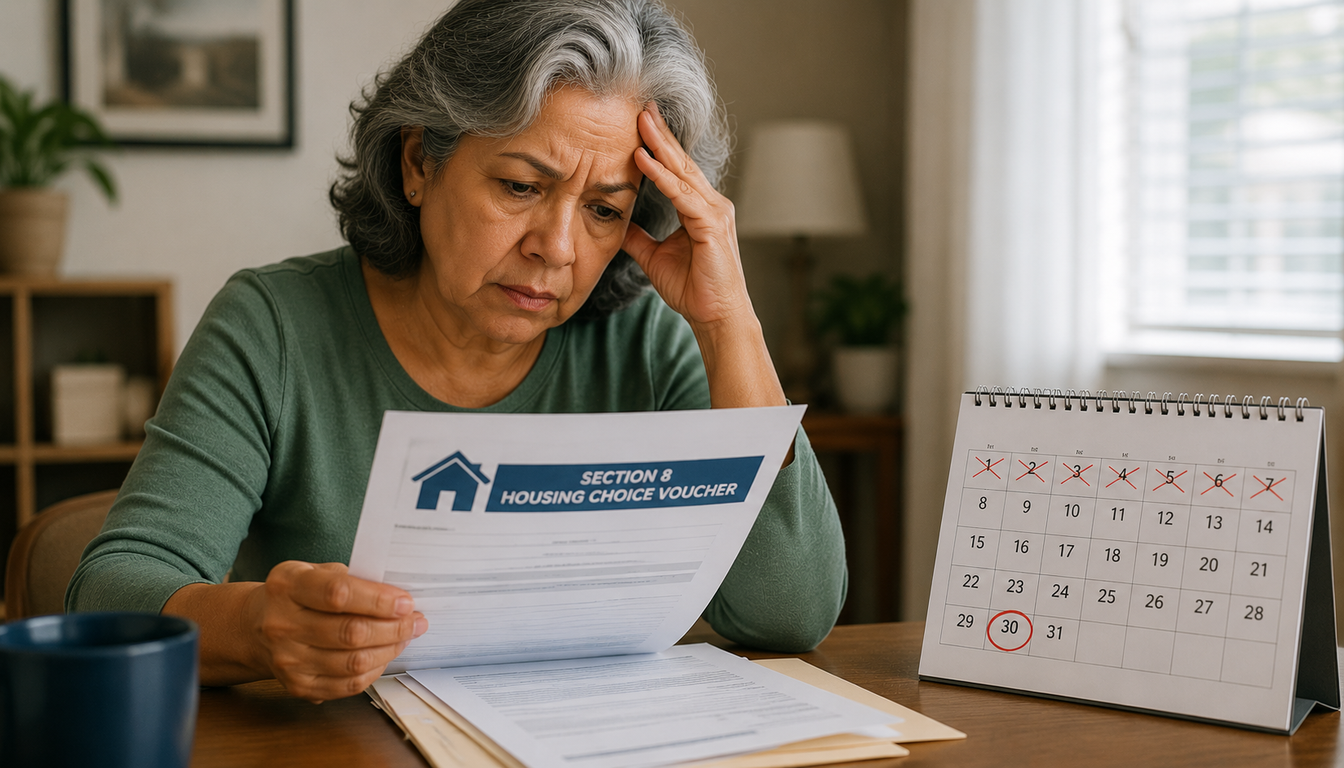

Most people who need housing assistance don't know where to begin. Not because the programs don't exist — they do, and there are more of them than most people realize — but because figuring out which ones apply to your specific situation takes real effort. Income limits vary by location. Waitlists open and close. Programs have different rules for different household types.
The smartest move you can make is to get clear on what you qualify for before you start applying anywhere. That means using the right tools, in the right order, with the right information about your household. This article walks you through exactly how to do that.
Start With What You Know About Your Own Household
Before you look at any program, get clear on a few basics about your household. These are the same factors every housing assistance program will use to evaluate you, so having them ready makes the whole process faster and more accurate.
Your gross household income. This is the total income your household earns before taxes — from jobs, child support, Social Security, or any other regular source. Housing programs use gross income, not take-home pay, so make sure you're using the right number.
Your household size. Count every person who lives with you and shares the home as their primary residence. This includes children, elderly parents, and any other adults. Household size directly affects your income limit — larger households are allowed to earn more and still qualify.
Your location. Housing assistance programs are managed locally by Public Housing Authorities (PHAs). Your city or county determines which programs exist near you, what the income thresholds are, and whether waitlists are currently open.
Once you have those three things clear, you're ready to check your eligibility the smart way.
Understand How Income Limits Actually Work
Here's where a lot of people get confused — and where getting clear makes a real difference.
Housing programs don't use a single national income limit. Instead, they use something called the Area Median Income (AMI), which the U.S. Department of Housing and Urban Development (HUD) calculates separately for every county and metropolitan area in the country. HUD publishes updated income limits every year, and they change based on local economic conditions.
Programs then set their eligibility thresholds as a percentage of AMI. The Section 8 Housing Choice Voucher Program, for example, generally requires households to earn no more than 50% of their local AMI. Public housing programs may go up to 80% of AMI.
What does that mean in real numbers? If your county's median income for a family of four is $70,000, then:
- 80% of AMI = $56,000 (public housing eligibility range)
- 50% of AMI = $35,000 (Section 8 eligibility range)
- 30% of AMI = $21,000 (priority range for many voucher programs)
A household of four earning $32,000 in that county would likely qualify for Section 8 and be in a priority income bracket for many programs. The same household earning $50,000 might qualify for public housing but not Section 8.
These numbers are different everywhere. That's why checking your eligibility with a tool that accounts for your specific location is so much more useful than reading a general guide.
Know Which Programs Are Worth Looking Into
There are several types of housing assistance programs worth knowing about. Each one works differently and serves different household situations.
The Housing Choice Voucher Program (Section 8) is the largest federal rental assistance program in the country. It provides monthly assistance that helps pay for housing in the private market. You find your own housing — an apartment or house — and the voucher covers a portion of the rent. More details are available directly from HUD's Section 8 program page.
Public Housing is government-owned housing rented at reduced rates to eligible low-income households. It's managed by your local PHA and may include apartments, townhomes, or other unit types. You can find your local authority through HUD's PHA contact directory.
Project-Based Rental Assistance is similar to Section 8, but the subsidy is tied to a specific property rather than a voucher you can take anywhere. If you leave that property, you lose the assistance.
State and Local Programs vary widely. Many states and cities run their own rental assistance programs with separate income limits and application processes. The National Low Income Housing Coalition maintains a regularly updated database of rental assistance programs by state — a solid resource if you want to see what else is available beyond federal options.
Use a Tool That Does the Work for You
Researching all of this on your own — cross-referencing your income against local AMI limits, checking which PHAs have open waitlists, identifying which programs apply to your household type — takes hours. And it's easy to miss something important.
That's why using a smart eligibility tool is the right move. And the best option available right now is Section 8 AI.
Here's what makes it the smartest way to check your eligibility:
It uses your real information. You enter your income, household size, and location — and it matches those specifics against actual program requirements, not general rules.
It accounts for where you live. Because AMI limits and program availability vary by location, a tool that localizes its results is far more accurate than a national checklist. Section 8 AI builds your report around your area.
It tells you about waitlist status. One of the most important things to know before you apply is whether the waitlist is even open. Section 8 AI includes that information in your report.
It gives you a document checklist. Knowing what paperwork to bring before you walk into a housing office saves you from making multiple trips. Your report tells you exactly what to prepare.
It takes just a few minutes.
Go to Section 8 AI now and get your personalized housing eligibility report. You'll know exactly which programs fit your household and what to do next — without spending hours on research.
Apply Smart, Not Just Fast
Once you have your eligibility report, the goal is to apply strategically — not just to every program at once. Here's how to think about it:
Prioritize open waitlists. If your report shows that a local Section 8 waitlist is currently open, that should be your first move. Waitlists close quickly, sometimes within days of opening. Don't wait.
Apply to multiple programs at the same time. There's no rule that says you can only be on one waitlist. Apply to every program you qualify for. If you get called for one, you can decide then whether to accept or stay on others.
Track your applications. Keep copies of everything you submit. Note the date you applied and any confirmation numbers. Follow up with your local PHA every few months to confirm your spot on the waitlist is still active.
Update your information if things change. If your income, household size, or contact information changes after you apply, let your housing authority know right away. Outdated information can cause your application to be skipped or removed.
Additional Resources to Keep Handy
- HUD's income limits database: look up your local AMI figures
- Find your PHA: HUD's PHA directory — contact the housing authority in your area
- State rental assistance: NLIHC's rental assistance tracker — state-by-state programs beyond federal options
- Explore affordable listings: Visit our partner site Section 8 Search to browse available affordable housing near you
The Bottom Line
The smartest way to check what housing programs you qualify for is to use a tool that takes your specific situation into account — your income, your household size, and your location — and returns results that are actually relevant to you.
That tool exists, and it's available right now.
Visit Section 8 AI, answer a few simple questions, and get your personalized housing eligibility report today. Know what you qualify for. Know what's open near you. Know what to do next.
That's how you check your eligibility the smart way.