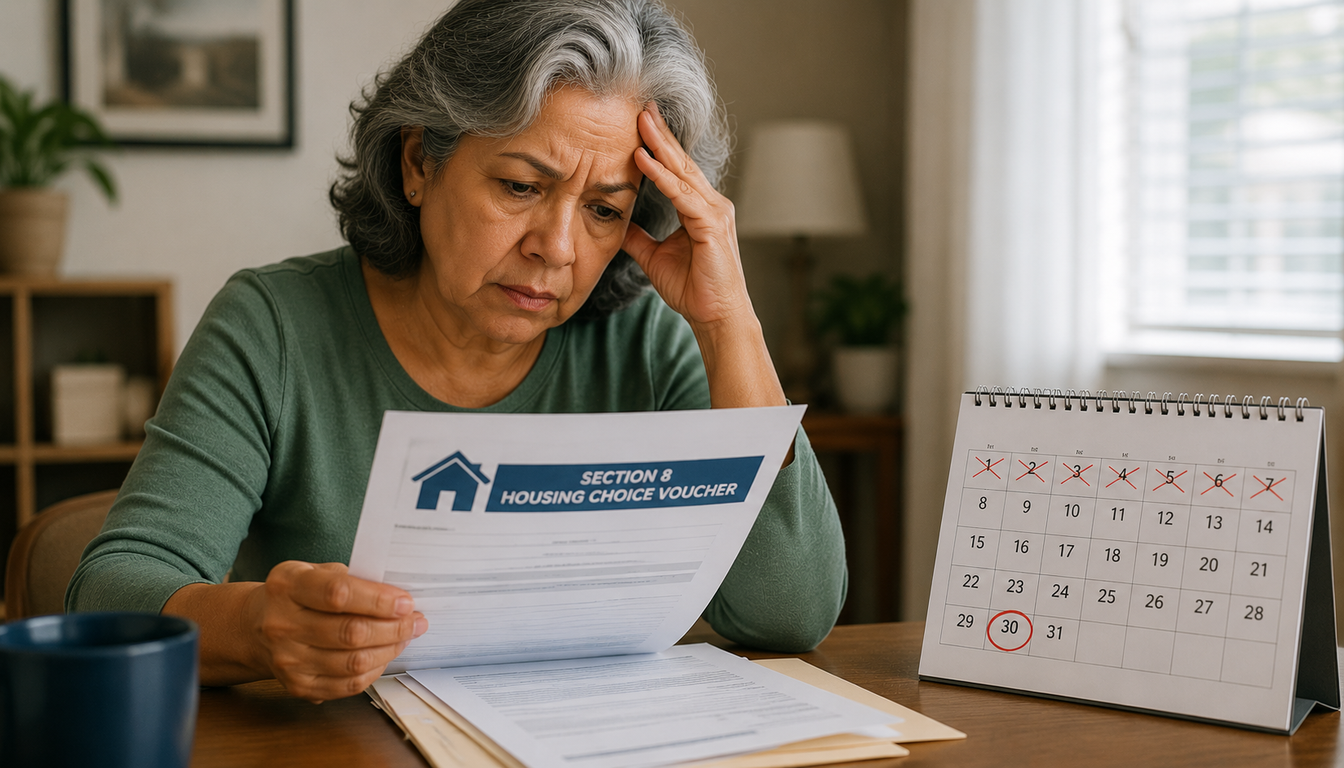

One of the most common reasons housing assistance applications get delayed — or denied — is missing paperwork. Not because people don't want to provide it, but because they didn't know what to bring, or they showed up without something important and couldn't finish the process.
This article gives you the complete document checklist for housing assistance applications, explains why each document is required, and tells you exactly where to get replacements if you've lost the originals. Get this right before you apply, and you'll move through the process much faster.
Why Documents Matter So Much
When you apply for programs like Section 8 Housing Choice Vouchers or Public Housing, your local Public Housing Authority (PHA) has to verify everything you put on your application. Your income, your identity, your household size, your citizenship or immigration status — all of it gets checked against real documents.
If a document is missing, the review stops. Some PHAs will give you time to bring in what's needed. Others will move on to the next applicant. Either way, arriving prepared means a faster, smoother process for your household.
Here is every document category you need to be ready for.
1. Photo Identification
Every adult in your household who is applying will need a valid, government-issued photo ID. This confirms who you are and that your identity matches the rest of your paperwork.
Accepted forms include:
- State-issued driver's license
- State-issued ID card (non-driver)
- U.S. passport or passport card
- Military ID If your ID is expired or lost: Visit your state's Department of Motor Vehicles (DMV) to replace a driver's license or state ID. Most states allow you to start the process online. Bring your Social Security card and proof of address. Fees vary by state but are generally low, and same-day or next-day replacements are often available.
For a U.S. passport, visit the U.S. Department of State's passport page to apply or renew. Note that passport processing takes several weeks unless you pay for expedited service.
2. Social Security Cards
Every household member — adults and children — must have a Social Security number, and you'll typically need to show the actual card or an official document showing the number.
If a card is lost or never issued: You can request a replacement Social Security card through the Social Security Administration (SSA). You can do this online at ssa.gov if you have a my Social Security account, or in person at your local SSA office. Replacement cards are free — you're allowed up to three per year and ten in your lifetime. Processing typically takes 10 to 14 business days.
For newborns or children who have never had a Social Security number assigned, the SSA will issue one — visit ssa.gov/number-card for instructions.
3. Proof of Income
This is the most detailed document category — and the one that causes the most problems when it's incomplete.
Housing programs need to verify your total household income from all sources. That means you need documentation for every type of income coming into your household, not just your main job.
Employment income:
-
Recent pay stubs — typically the last two to four weeks
-
A letter from your employer on company letterhead confirming your pay rate and hours if you are a new hire or your pay is irregular Self-employment income:
-
Most recent federal tax return (IRS Form 1040)
-
Profit and loss statement if available Government benefits:
-
Social Security benefit award letter (get a current one from ssa.gov — older letters may not be accepted)
-
SSI benefit letter
-
Disability (SSDI) award letter Child support and alimony:
-
Court order showing the amount you are supposed to receive
-
Bank statements or payment history showing what you actually receive Unemployment benefits:
-
Official letter from your state unemployment office showing your weekly benefit amount No income: If you have zero income, some PHAs require a signed self-declaration statement explaining your situation. Ask your local PHA what they require.
4. Birth Certificates
Birth certificates are required for every household member, especially children. They confirm age, identity, and family relationship.
If a birth certificate is lost: Contact the vital records office in the state where the person was born. Most states allow you to order replacement birth certificates online. The Centers for Disease Control and Prevention (CDC) maintains a directory of every state's vital records office, including links and contact information. Fees typically range from $10 to $30 per copy. Processing times vary — order early.
5. Proof of Citizenship or Immigration Status
Most federal housing assistance programs require at least one household member to be a U.S. citizen or eligible non-citizen. You don't need every household member to meet this requirement, but you do need documentation for those who do.
For U.S. citizens:
-
U.S. passport or passport card
-
Birth certificate (for those born in the U.S.)
-
U.S. naturalization certificate For eligible non-citizens:
-
Permanent Resident Card (Green Card)
-
Employment Authorization Document
-
Other immigration documents showing eligible status
The HUD guidelines on eligibility provide more detail on which immigration statuses qualify for federal assistance.
6. Proof of Address and Rental History
Some PHAs ask for proof of your current address and a record of your recent rental history. This may include:
- A current utility bill or bank statement showing your name and address
- A copy of your current lease or rental agreement
- Contact information for your current or previous landlord
If you have an eviction on your record, be prepared to discuss it. Some PHAs will ask for context — documentation of the circumstances and evidence of how the situation was resolved.
Before You Apply, Get Your Eligibility Report at Section 8 AI
Having your documents ready is essential — but it matters even more when you're applying to programs you actually qualify for. Walking into the process informed saves you from gathering paperwork for programs that were never going to work for your situation.
That's exactly what Section 8 AI is for.
Before you collect a single document, go to Section 8 AI and get your personalized housing eligibility report. In just a few minutes, it will show you:
- Which programs match your household income and size
- What's available and open in your specific area
- Whether local Section 8 and public housing waitlists are currently accepting applications
- A document checklist tailored to the programs you qualify for Go to Section 8 AI right now and get your report. Know which programs to apply for before you start pulling documents together — so every step you take is pointed in the right direction.
7. Additional Documents Some PHAs May Request
Beyond the standard list, some housing authorities ask for additional documentation depending on your household's situation:
For households with a disability: Documentation from a doctor or licensed professional confirming the disability may be required — particularly if you are requesting an accommodation or a specific unit type.
For veterans: A DD Form 214 (Certificate of Release or Discharge from Active Duty) may be needed to qualify for veteran preferences in some programs. Request yours through the National Archives military records portal.
For students: Full-time students have specific eligibility rules under federal housing programs. Some students do not qualify. If anyone in your household is enrolled in school, ask your PHA how student status affects your application.
How to Organize Everything Before You Apply
Once you have your documents, keep them organized so you can find anything quickly during your appointment.
A simple approach: use a folder or envelope for each household member. Label each one with the person's name. Inside, place their ID, Social Security card, birth certificate, and any income documents that apply to them. Keep one shared folder for household-level documents like your lease and proof of address.
Make photocopies of everything. Bring originals to your appointment, but also bring copies — some PHAs keep copies on file and you don't want to leave without your originals.
Store everything in a safe place at home between appointments. A fireproof box or a secure file cabinet is worth the small investment.
More Resources to Help You Move Forward
- Find your local PHA: HUD's PHA contact directory
- Replace a Social Security card: ssa.gov/number-card/replace-card
- Order a birth certificate: CDC vital records directory
- Request military records: National Archives veterans records portal
- Explore affordable housing near you: Visit our partner site Section 8 Search to browse listings and find participating landlords in your area
The Bottom Line
Most application problems come down to documents — either missing them, bringing outdated versions, or not knowing they were needed in the first place. Now you know exactly what's required and where to get anything you're missing.
Get your documents organized. Then go to Section 8 AI to get your personalized eligibility report so you know exactly which programs to apply for and walk in fully prepared. That combination — right programs, right documents — is how you give your application the strongest possible start.