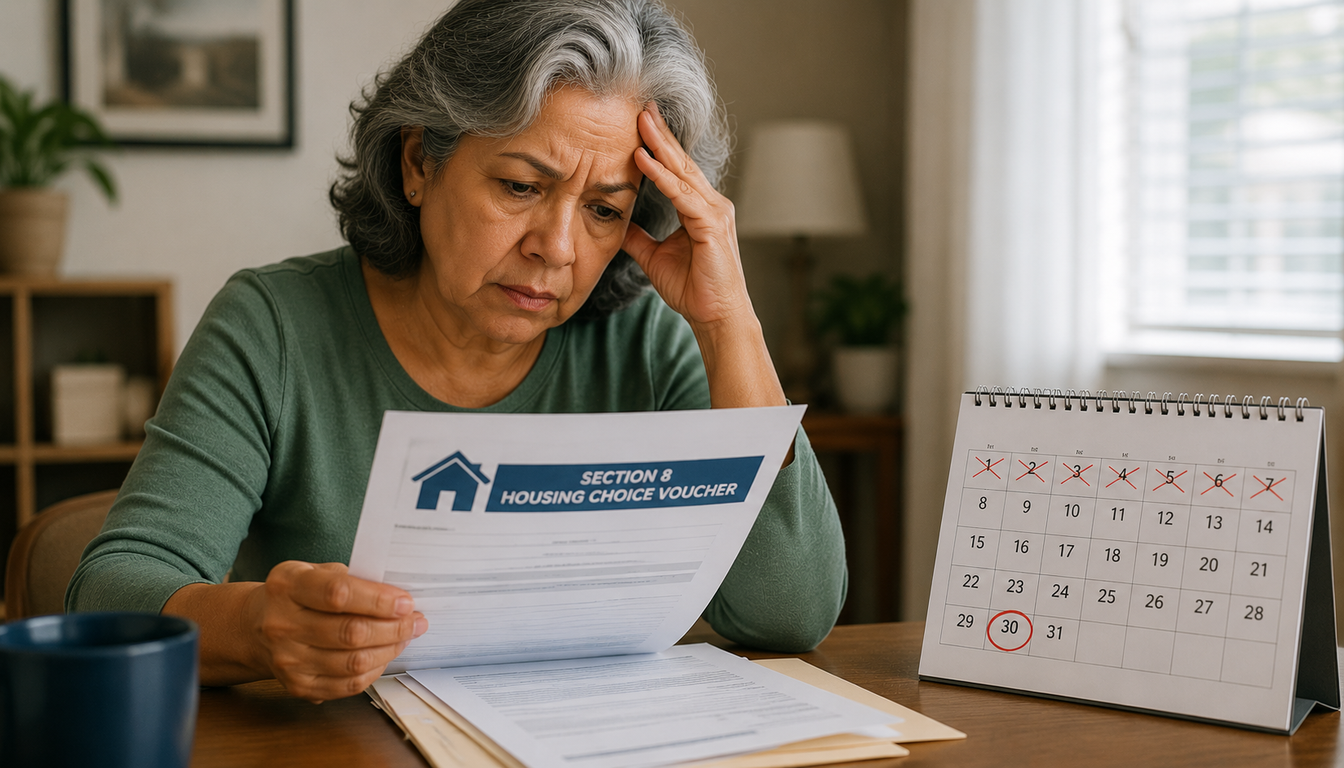

Many people assume that once their name is on a Section 8 waitlist, they're essentially approved and just waiting for paperwork to catch up. That's not how the process works — and misunderstanding this distinction can lead to confusion, missed steps, and unrealistic expectations.
This article breaks down exactly what each stage means, what happens between them, and what you should and shouldn't assume at each point in the process.
Being on the Waitlist Means You're in Line — Nothing More
When you apply for Section 8 and your application is accepted, you are placed on your local Public Housing Authority's (PHA) waitlist. This means the PHA has determined, based on the information you provided, that you appear to meet the basic requirements to apply.
Being on the waitlist is not the same as being approved. It simply means your name is in the queue, waiting for a voucher to become available and for your turn to come up.
Here's what being on the waitlist does NOT mean:
- It does not mean your eligibility has been fully verified
- It does not mean you have a voucher
- It does not guarantee you will eventually receive one
- It does not mean your income and household information has been confirmed with documentation
The initial screening that gets you onto the waitlist is typically based on self-reported information. The PHA hasn't yet asked for your pay stubs, your Social Security cards, or your birth certificates. That verification step comes later — and it's a separate, more thorough process.
According to HUD's guidelines on the Housing Choice Voucher Program, full eligibility determination happens at a later stage, specifically once your name nears the top of the waitlist.
What Happens While You Wait
During the time you're on the waitlist, your only real obligations are to:
Keep your contact information current. If your address, phone number, or email changes, update it with your PHA immediately. This is the single most common reason people lose their place on a waitlist — the PHA tries to reach them and can't.
Respond to periodic update letters. Most PHAs send letters at set intervals to confirm you still want to remain on the waitlist. These are sometimes called reconfirmation notices. Miss the deadline to respond, and your application is typically removed.
Report major household changes if asked. Some PHAs ask you to report significant changes — a new household member, a major income shift — even while you're still on the waitlist. Check with your PHA about their specific requirements.
Beyond these responsibilities, the waitlist period is mostly about time passing. Your position moves up as the PHA works through the list and as vouchers become available.
When Your Name Reaches the Top: The Real Eligibility Process Begins
This is where the waitlist stage ends and the approval stage begins. When your name comes up, your PHA will contact you — usually by mail or phone — to schedule what's called an eligibility interview or intake appointment.
This is the point where actual verification happens. Here's what occurs:
You provide full documentation. This includes government-issued photo ID, Social Security cards for every household member, proof of income from all sources, birth certificates, and other documents your PHA requires. The HUD fact sheet on HCV eligibility outlines what's typically reviewed.
Your income is verified against your local limits. Your PHA checks your actual gross income against the Area Median Income (AMI) limits for your household size and location. If your reported income at application doesn't match what verification shows — for example, if your income increased since you applied — this could affect your eligibility.
A background check is conducted. Your PHA will review criminal history and rental history for all adult household members. Certain disqualifying factors, such as specific drug-related felony convictions or sex offender registration, can result in denial at this stage even if you were eligible when you first applied.
Your household composition is confirmed. The PHA verifies who is actually living in your household, which affects your income limit and your unit size eligibility.
This is the stage where applications can actually be denied — something that doesn't typically happen while you're simply sitting on the waitlist. Being on the waitlist for years doesn't guarantee approval at the end of it. The verification stage is where eligibility is actually determined.
What Happens If You're Approved
If you pass the eligibility interview and verification process, you receive a Housing Choice Voucher. This is the official approval — the document that confirms you can begin searching for housing with federal rental assistance behind you.
Your voucher comes with:
- A specific bedroom size you're approved for, based on your household size
- An expiration date — typically 60 to 120 days — during which you must find a qualifying unit
- Information about your area's payment standard, which determines how much rent the voucher can cover
From here, you move into the housing search phase — finding a unit, getting it inspected under HUD's Housing Quality Standards, and signing a lease once everything is approved.
What Happens If You're Denied at This Stage
If verification reveals that you no longer meet income limits, have a disqualifying background issue, or provided inaccurate information on your original application, your PHA may deny your application even after years on the waitlist.
If this happens, you generally have the right to request an informal hearing to appeal the decision. Most PHAs require this request within 10 to 14 days of the denial notice. Review your denial letter carefully for the specific deadline and process. HUD's guidelines on participant rights explain this process in more detail.
Why This Distinction Matters
Understanding that the waitlist and approval are two separate stages helps you in a few practical ways:
It sets realistic expectations. You shouldn't assume your housing situation is solved just because you're on a list. Continue exploring other options while you wait.
It motivates you to keep your information accurate. Since the real verification happens later, any inaccuracies in your original application could create problems down the line. It's worth reviewing your application periodically to make sure everything you reported is still accurate.
It helps you prepare in advance. Knowing that a full document review is coming means you can start gathering paperwork — Social Security cards, proof of income, birth certificates — well before your name is called, rather than scrambling when the letter arrives.
Know Where You Actually Stand at Section 8 AI
If you're currently on a waitlist, or thinking about applying, it helps to have a clear picture of your eligibility based on your current numbers — not just your numbers from whenever you first applied.
Section 8 AI generates a personalized housing eligibility report based on your current income, household size, and location. It shows you which programs you're likely to qualify for under today's numbers, helping you understand whether your situation still aligns with eligibility requirements as you wait — or as you prepare to apply for the first time.
Go to Section 8 AI and get your personalized housing eligibility report. Whether you're already on a waitlist or just getting started, knowing exactly where your numbers stand helps you prepare for the verification stage with confidence.
A Practical Checklist While You Wait
Use this time productively:
- Confirm your contact information is current with your PHA
- Respond to every letter they send, before the deadline
- Start gathering documents now — ID, Social Security cards, proof of income, birth certificates
- Check your numbers periodically to make sure your income still falls within eligibility limits for your household size
- Apply to other programs simultaneously — public housing, project-based assistance, and state or local programs are not mutually exclusive with your Section 8 waitlist spot
Additional Resources
- HUD's HCV eligibility and verification process
- Find your local PHA
- Check income limits for your household size
- Housing Quality Standards for your future unit
- Find affordable housing once approved: Visit our partner site Section 8 Search to browse listings and participating landlords in your area
The Bottom Line
Being on a Section 8 waitlist and being approved for a voucher are two very different things. The waitlist is a queue based on initial information. Approval comes only after full verification of your income, household, and background — a process that happens once your name reaches the top.
Know the difference. Stay prepared. Keep your information current. And don't treat your place on the waitlist as a guarantee — treat it as a head start.
Go to Section 8 AI, get your personalized housing eligibility report, and make sure your numbers are ready for the day your name is finally called.